About BARIUM CARBONATE PRECIPATED
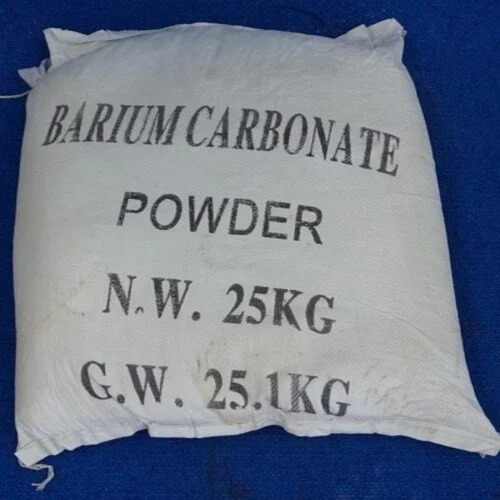
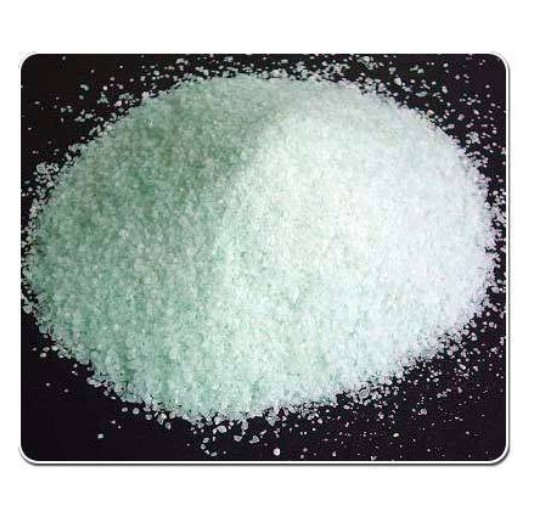
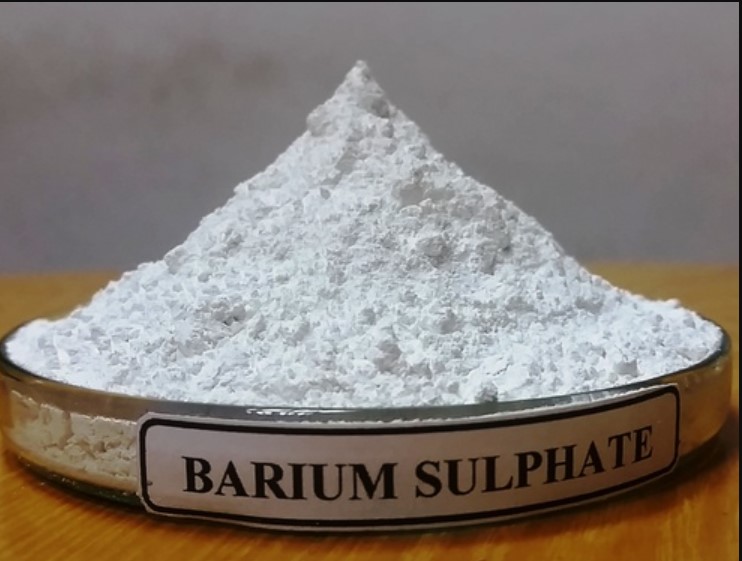
BARIUM CARBONATE precipitate is a white, crystalline powder with a variety of applications, including:
Ceramics: Used in the production of ceramic glazes, frits, and fluxes, as well as in the manufacture of ceramic dielectric capacitors and hard ferrites
Glass: Used in the production of display glass, crystal glass, and other specialty glasses
Bricks and tiles: Used as a fluxing material in the production of clay bricks and tiles
Chemical compounds: Used in the manufacture of barium peroxide, barium hydroxide, and barium chloride
Electro-ceramic materials: Used in the manufacture of electronic ceramics, capacitors, PTC thermistors, and other types of electronic equipment
Rodenticide: Used as a rat poison
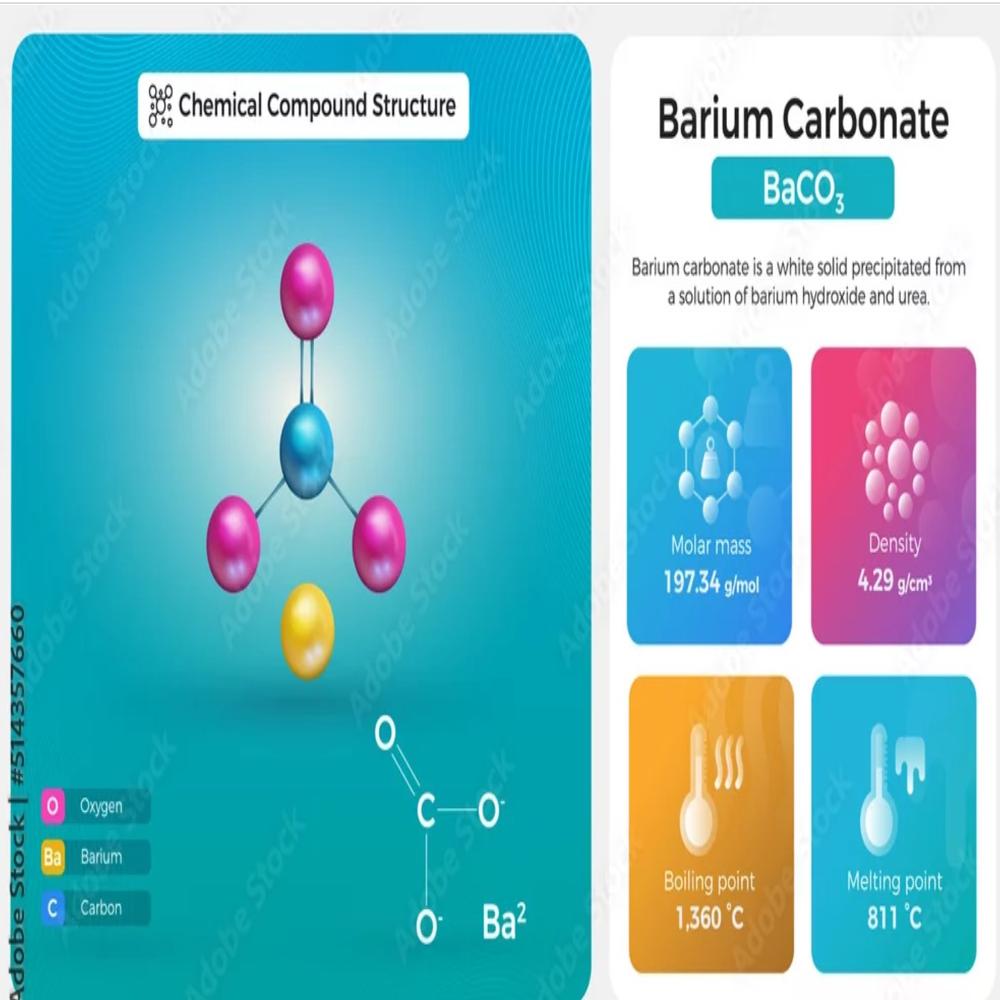
Barium carbonate is a heavy, odorless, tasteless powder with a density of 4.2865. It is almost insoluble in water, but is slightly soluble in water saturated with carbon dioxide. It decomposes into BaO and CO2 at around 1300C.
Barium carbonate can be prepared by treating barium sulfide with sodium carbonate at 60 to 70C, or by passing carbon dioxide at 40 to 90C.
Barium carbonate is a rat poison. It also is used in ceramics, paints, enamels, rubber, and certain plastics. The technical product is 9899% pure. Rodenticidal baits contain 2025% of the compound.
Consistent Quality for Industrial ApplicationsOur Precipitated Barium Carbonate offers remarkable stability and purity, ensuring optimal results in ceramics, glass, and brick manufacturing. Controlled particle size and low moisture content enable predictable performance, streamlining production processes for industrial clients.
Efflorescence Removal and Glass ManufacturingWidely utilized in the removal of sulphates (efflorescence) from bricks and tiles, Barium Carbonate enhances structural integrity. In the glass industry, it improves clarity and reduces surface flaws, supporting higher-quality end products.
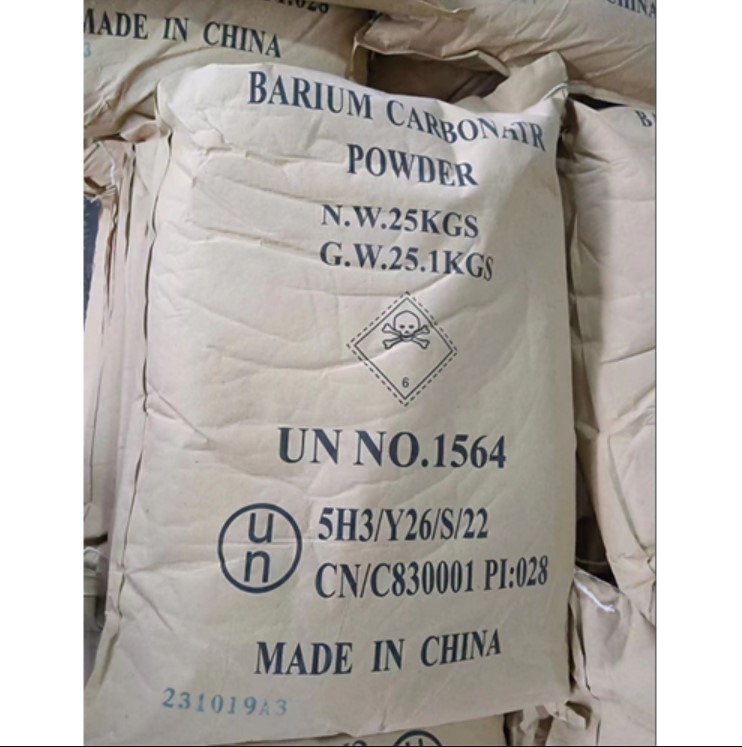
Safe Packaging and Easy HandlingEach batch is packed in secure 25 kg packets, simplifying storage and transportation. The powder form ensures easy handling and precise dosing, making it convenient for large-scale industrial use.
FAQ's of BARIUM CARBONATE PRECIPATED:
Q: How is Precipitated Barium Carbonate used in the ceramics and brick industries?
A: Precipitated Barium Carbonate is added during the manufacturing process of ceramics and bricks to effectively remove sulphates, which helps prevent efflorescence, ensuring better durability and appearance of the final product.
Q: What are the main benefits of using Precipitated Barium Carbonate in industrial applications?
A: The primary benefits include high purity (99-99.5%), controlled particle size, low moisture content, and high chemical stability, which together enhance product quality and performance in applications such as ceramics, glass, and chemical manufacturing.
Q: When should I use Precipitated Barium Carbonate instead of natural Witherite?
A: Precipitated Barium Carbonate is ideal when you require a highly controlled, pure, and consistent product suited for industrial-scale production, as opposed to natural Witherite, which may vary in quality and purity.
Q: Where is Precipitated Barium Carbonate typically sourced and supplied?
A: It is commonly manufactured and supplied by chemical companies and traders in India, available in standard industrial-grade packaging, typically 25 kg packets for ease of handling and storage.
Q: What is the process for incorporating Barium Carbonate into glass manufacturing?
A: Barium Carbonate is blended with other raw materials in the initial stages of glass production. It acts as a flux, reduces sulphate content, and improves the clarity and chemical stability of the finished glass products.
Q: How does controlled particle size benefit ceramic producers?
A: Controlled particle size ensures uniform distribution within ceramic mixtures, leading to predictable chemical reactions and consistent final properties in the manufactured tiles or ceramics.
 Send Inquiry



 Send Inquiry

 Send Inquiry
 English
 Spanish
 French
 German
 Italian
 Chinese (Simplified)
 Japanese
 Korean
 Arabic
 Portuguese